Private label and white label sound similar but represent fundamentally different business models. Choosing the wrong one can cost you brand equity, customer loyalty, and profit margins. This guide explains the exact difference and helps you choose the right path for your brand.
What Is Private Label Clothing?
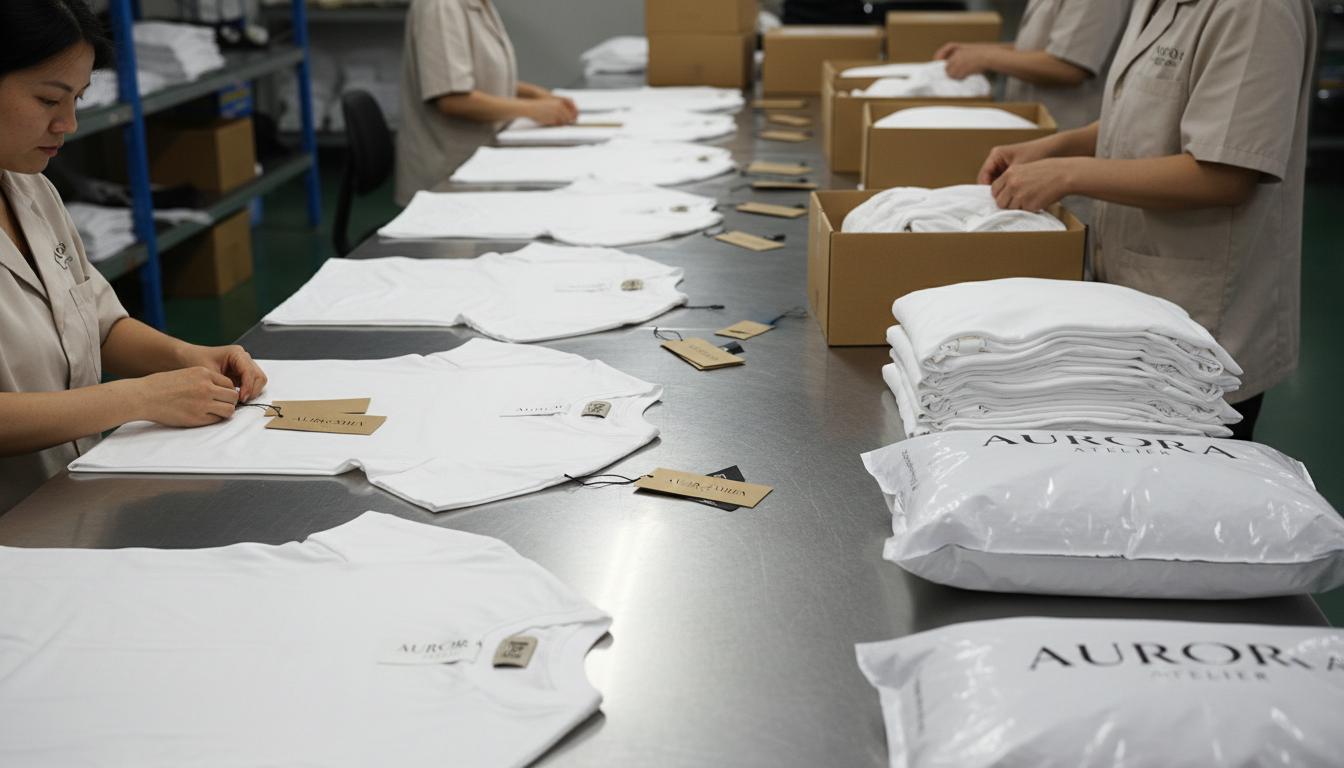
Private label means garments are manufactured exclusively to your specifications with your branding. You control everything: fabric, fit, design, colors, construction, labels, and packaging. The manufacturer produces YOUR product — it doesn't exist for anyone else.
Example: You design a 320 GSM hoodie with dropped shoulders, garment-washed finish, puff print logo, custom woven label, and branded packaging. Only YOUR brand sells this exact hoodie.
What Is White Label Clothing?
White label means buying pre-made, generic garments and putting your brand label on them. The product already exists — multiple brands might sell the exact same hoodie with different logos. You don't control design, fit, or materials.
Example: You buy a standard 280 GSM hoodie from a wholesale supplier, remove their label, and add your own woven label. The hoodie itself is identical to what 20 other brands are selling.
Key Differences Table
| Factor | Private Label | White Label |
|---|---|---|
| Design Control | 100% yours | None — pre-made |
| Brand Uniqueness | Exclusive | Shared with others |
| MOQ | 50 pieces (FABRIOZA) | 50-100 pieces |
| Profit Margins | High | Low-Medium |
| Customer Loyalty | Strong | Weak |
| Upfront Investment | $400-1,000 | $200-500 |
| Timeline | 3-6 weeks | 1-2 weeks |
| Best For | Serious brands | Testing the market |
Which Brands Should Choose Private Label?
- You're serious about building a long-term brand
- You have (or can develop) unique designs
- You want higher profit margins
- Brand differentiation is important to you
- You have $500-1,000 to invest in your first order
Which Should Choose White Label?
- You're testing whether clothing sales work for your audience
- You need the lowest possible startup cost
- Speed to market is your top priority
- You plan to transition to private label later
Brand Building Advantage of Private Label
Private label brands build asset value. Your designs, your customer relationships, your brand recognition — these compound over time. White label brands compete on price alone, which is a race to the bottom. Private label is how Gymshark, Lululemon, and every major apparel brand started.
Cost Comparison
Private label costs 20-40% more upfront than white label. But the higher margins (private label retail prices are typically 30-50% higher than equivalent white label products) more than compensate for the initial investment over 2-3 production cycles.
FABRIOZA's Private Label Service
Complete private label from 50 pieces: custom design, woven labels, care labels, hangtags, branded polybags, and all decoration methods. Your brand, our manufacturing expertise.
Build a Genuine Private Label Brand With FABRIOZA
Full branding from 50 pieces. Your designs, our manufacturing. Free quote in 24 hours.
Get Started →Frequently Asked Questions
Can I switch from white label to private label later?
Yes, many brands start with white label to test demand, then transition to private label for their proven sellers.
Is private label worth the extra cost?
For brands planning to operate longer than 6 months: absolutely. The higher margins and brand equity compound over time.
Can I get exclusive designs with private label?
Yes, your designs are 100% exclusive. We sign NDAs and never reproduce client designs for other brands.
What is the minimum for private label?
50 pieces per style — the same as our standard MOQ.
How much more does private label cost than white label?
20-40% more upfront, but retail prices can be 30-50% higher, resulting in better overall margins.