
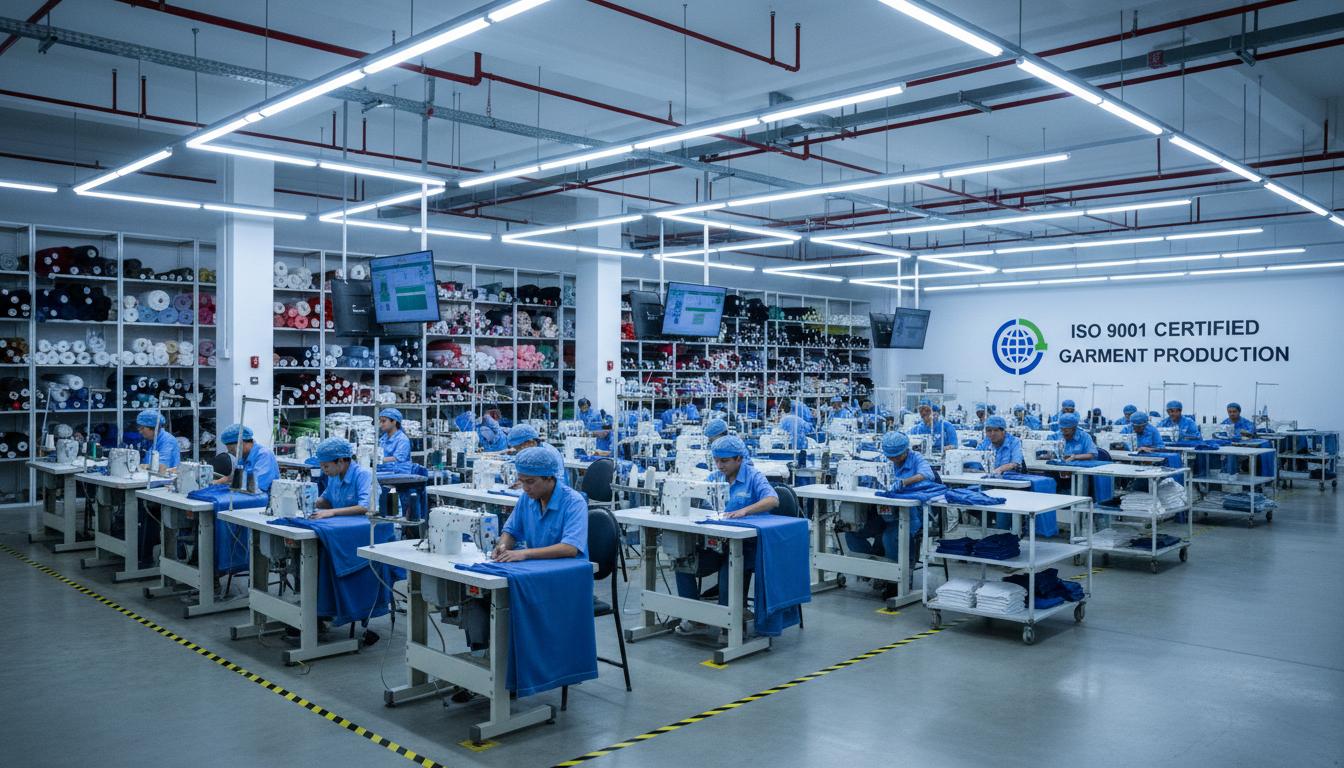
Sustainability isn't a trend — it's the future of fashion. Consumers are increasingly demanding transparency about where and how their clothes are made. At FABRIOZA, we combine ethical labor practices with eco-friendly fabric options, helping brands meet growing consumer demand for responsible fashion — with MOQ from 50 pieces.
What Sustainable Manufacturing Actually Means
True sustainability in clothing manufacturing covers three areas: environmental impact (materials, waste, energy), labor standards (fair wages, safe conditions), and quality (durable garments that don't end up in landfills). At FABRIOZA, we address all three.
Pakistan's Position in Ethical Manufacturing
Pakistan's textile industry employs over 15 million people. The Sialkot manufacturing cluster has made significant strides in ethical production, with one of Asia's highest densities of certified factories relative to production volume. The industry's growth has driven investment in better working conditions and environmental compliance.
ISO 9001 and What It Means for Production Practices
Our ISO 9001:2015 certification isn't just about product quality — it requires documented, standardized processes that minimize waste, optimize resource usage, and ensure consistent output. This systematic approach reduces defects (less waste), optimizes fabric cutting (less scrap), and improves energy efficiency.
Labor Standards in Sialkot's Manufacturing Cluster
- Fair wages: Above Pakistan's minimum wage standards
- Safe working conditions: Proper ventilation, ergonomics, safety equipment
- No child labor: Strictly enforced, zero tolerance policy
- Regular hours: With overtime compensation
- Healthcare benefits: For all full-time employees
Sustainable Fabric Options
| Fabric | Source | Environmental Benefit |
|---|---|---|
| Organic Cotton | No pesticides | 91% less water than conventional |
| Recycled Polyester (rPET) | Post-consumer bottles | Diverts plastic from landfills |
| Bamboo | Fast-growing grass | No irrigation, no pesticides |
| Tencel/Lyocell | Wood pulp | Closed-loop, biodegradable |
| Hemp | Cannabis plant | 50% less water than cotton |
FABRIOZA's Manufacturing Practices
- CAD marker optimization minimizes fabric waste (under 8%)
- Scrap fabric recycled into insulation and industrial textiles
- Digital sample approval reduces physical sample waste
- Water recycling systems in our washing department
- Organic and recycled fabric options available for all products
How to Verify Sustainability Claims
Request certifications: GOTS (Global Organic Textile Standard) for organic cotton, GRS (Global Recycled Standard) for recycled content, OEKO-TEX for chemical safety. Verify these on the certifying body's website — don't just accept a logo.
How to Market Ethical Sourcing
66% of consumers pay more for sustainable brands. 5.6x higher customer retention for sustainable products. Feature your ethical manufacturing story prominently: "Made in an ISO 9001 certified facility with sustainable fabric options."
Source Ethically Certified Clothing From FABRIOZA
ISO 9001 certified. Sustainable fabrics available. MOQ from 50 pieces. Free quote.
Get Your Ethical Manufacturing Quote →Frequently Asked Questions
Are sustainable fabrics more expensive?
Typically 10-20% more than conventional fabrics. However, many brands absorb this cost or pass it to customers who expect to pay a premium for sustainability.
Can I get certified organic cotton?
Yes, GOTS-certified organic cotton is available for all our products. Certification documentation provided on request.
Is your factory audited for labor standards?
Yes, our ISO 9001 certification includes labor practice audits. BSCI and WRAP audits available on request.
Do you offer recycled polyester?
Yes, rPET (recycled polyester) is available for sportswear, activewear, and any polyester-based product.
How do I communicate sustainability to my customers?
Share your factory's certifications, fabric choices, and ethical practices on your website and product pages. Transparency builds trust.