
India and Pakistan share cotton heritage, English-speaking factory management and similar price bands — so the real differences are product specialization and order-size flexibility. Here is the honest breakdown.
Quick Comparison Table
| Factor | Pakistan | India |
|---|---|---|
| Typical factory MOQ | 50–300 pcs/style | 300–500+ pcs/style |
| Best categories | Knits, fleece, sportswear, team uniforms, streetwear, fightwear | Wovens, dresses, prints, embroidery-heavy fashion, home textiles |
| Fabric variety | Deep in knits/fleece/performance | Widest in South Asia (silks, rayons, prints) |
| Embellishment & handwork | Sports decoration (sublimation, embroidery, chenille) | World-class beading, block print, artisan work |
| Small-order lead time | 2–4 weeks | 4–8 weeks |
| EU duty | 0% under GSP+ (verify) | Standard/reduced GSP rates |
| Export logistics | Sialkot dry port + express air hub | Multiple large ports, more inland complexity |
Where India Wins
If your line is woven dresses, printed resort wear, embellished occasion pieces or anything needing India's extraordinary textile variety — Jaipur block prints, Surat synthetics, South Indian cottons — India is the natural home for it. Its fashion-export ecosystem around Delhi, Jaipur and Tirupur is deep, and artisan handwork (beading, embroidery, crochet) is a genuine global differentiator.
Where Pakistan Wins
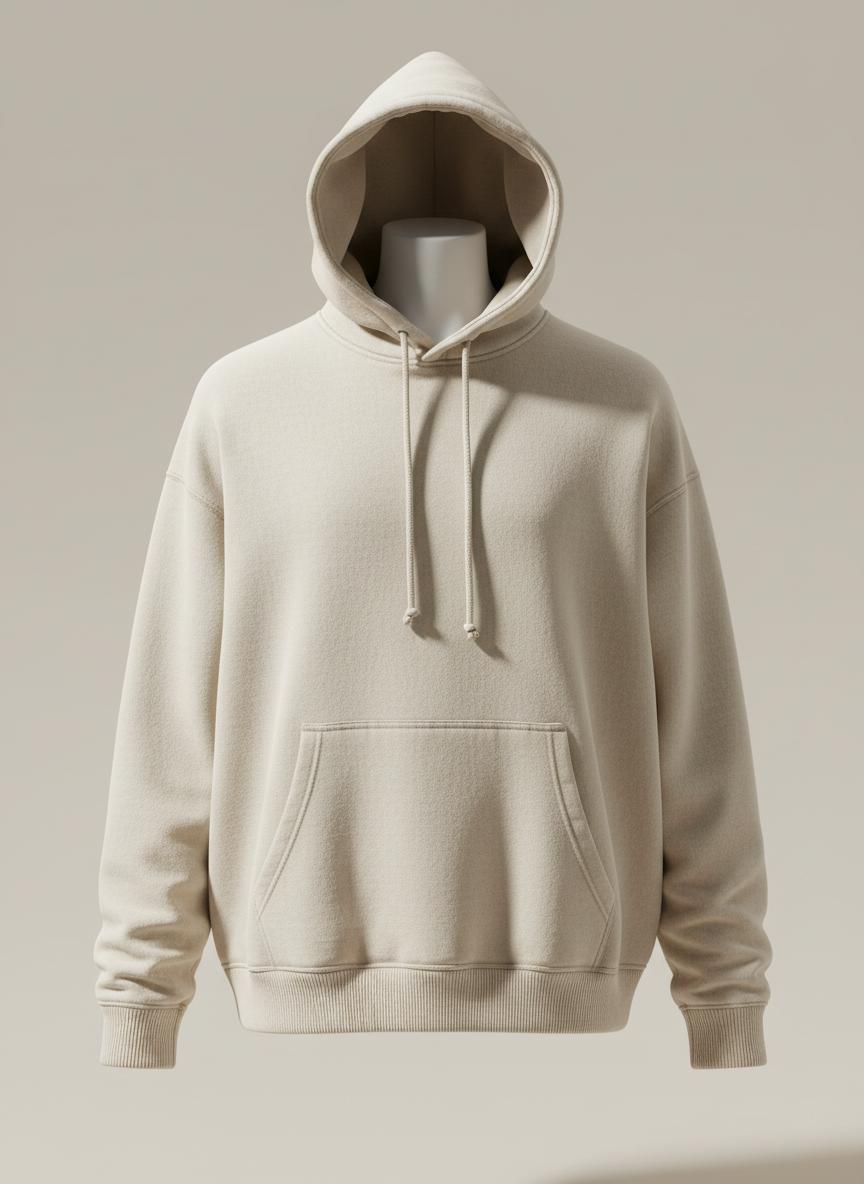
- Knits and fleece: hoodies, sweatshirts, tees and joggers are Pakistan's core export categories, with local mills producing heavyweight fleece and jersey at the source — see our 350–450 GSM hoodie range.
- Sportswear and team kits: Sialkot's sublimation and sports-uniform cluster has no Indian equivalent at the same density — soccer, football, baseball and basketball kits ship from here worldwide.
- Lower MOQs, faster starts: 50-piece styles and 20-piece trials against India's typical 300–500 minimums, with roughly half the lead time on small runs.
- EU duty position: Pakistan's GSP+ preference (0% on most apparel, subject to periodic review) undercuts India's standard GSP rates for European brands.
The Decision Rule
Prints, wovens and artisan fashion: India. Knits, sportswear, streetwear and small batches: Pakistan. Many established brands use both — woven dresses from Jaipur, hoodies and team wear from Sialkot. For the full regional picture, see Pakistan vs China and Pakistan vs Bangladesh.
Frequently Asked Questions
Is India or Pakistan cheaper for clothing manufacturing?
Prices are similar on comparable garments. Pakistan tends to be cheaper on knits and fleece (local cotton and mills); India can be cheaper on wovens and printed fabrics thanks to its fabric ecosystem. Compare landed cost per specific product.
Which country has lower minimum order quantities?
Pakistan. Typical Indian export factories want 300-500+ pieces per style; Pakistani factories commonly accept 50 pieces, and FABRIOZA offers 20-piece trial orders.
Which is better for hoodies and streetwear - India or Pakistan?
Pakistan. Heavyweight fleece knitting, garment dyeing, puff print and chenille embroidery are core Sialkot capabilities, and hoodie/sweatshirt exports are among Pakistan's biggest apparel categories.
Which is better for dresses and printed fashion?
India, in most cases. Its woven-fabric variety, printing traditions and embellishment handwork are unmatched in the region.
Do India and Pakistan both ship DDP to the USA and Europe?
Yes - reputable factories in both countries quote DDP (Delivered Duty Paid) via DHL/FedEx for small orders and sea freight for volume. Pakistan's EU GSP+ preference can make European landed costs lower; verify current tariff status.
Knits, Sportswear or Streetwear? That's Our Lane
Send your design for a factory-direct quote within 24 hours - MOQ 50 pieces, trial orders from 20.
Prefer email? info@fabrioza.com — we reply within one working day.